

In the booming natural health market, Natural Vitamin E has firmly established itself as a must-have nutrient, celebrated for its powerful antioxidant properties and comprehensive benefits for skin, immunity, and overall vitality. As consumers in 2024 increasingly prioritize "clean, plant-sourced"Nutritional Supplements, the demand for high-quality Natural Vitamin E products has surged. Today, we not only decode why this nutrient is indispensable but also showcase the three Natural Vitamin E products that currently hold the top 3 positions in Google search results—each proven by countless users for their efficacy and purity.
Natural Vitamin E vs. Synthetic: Why Natural Wins
The global Natural Vitamin E market is undergoing a period of robust growth driven by consumer preference for natural nutrients and expanding applications in healthcare, cosmetics, and food industries (as critical Food Additives). According to GEPResearch data, the global Vitamin E market exceeded $4 billion by 2025, with Natural Vitamin E (d-alpha-tocopherol) growing at twice the rate of synthetic alternatives, reflecting a clear shift toward high-value, bioavailable products. This trend is reshaping industry dynamics, from production technology to regional consumption patterns—especially as manufacturers prioritize formulations that pairNatural Vitamin E with complementary nutrients like Vitamin C, Coenzyme Q10, and Vitamin K2 to enhance synergistic effects.
Market Scale & Growth Drivers
While synthetic Vitamin E still holds approximately 70% of the overall market share, the natural segment is accelerating—fueled by rising health awareness and stringent "natural" labeling requirements in Europe and North America. Key growth drivers include:
- Surging demand for premium skincare ingredients, where Organic Natural Vitamin E Oil for Skin is favored for its antioxidant and moisturizing properties, often blended withAmino Acids Powder to boost skin repair efficacy;
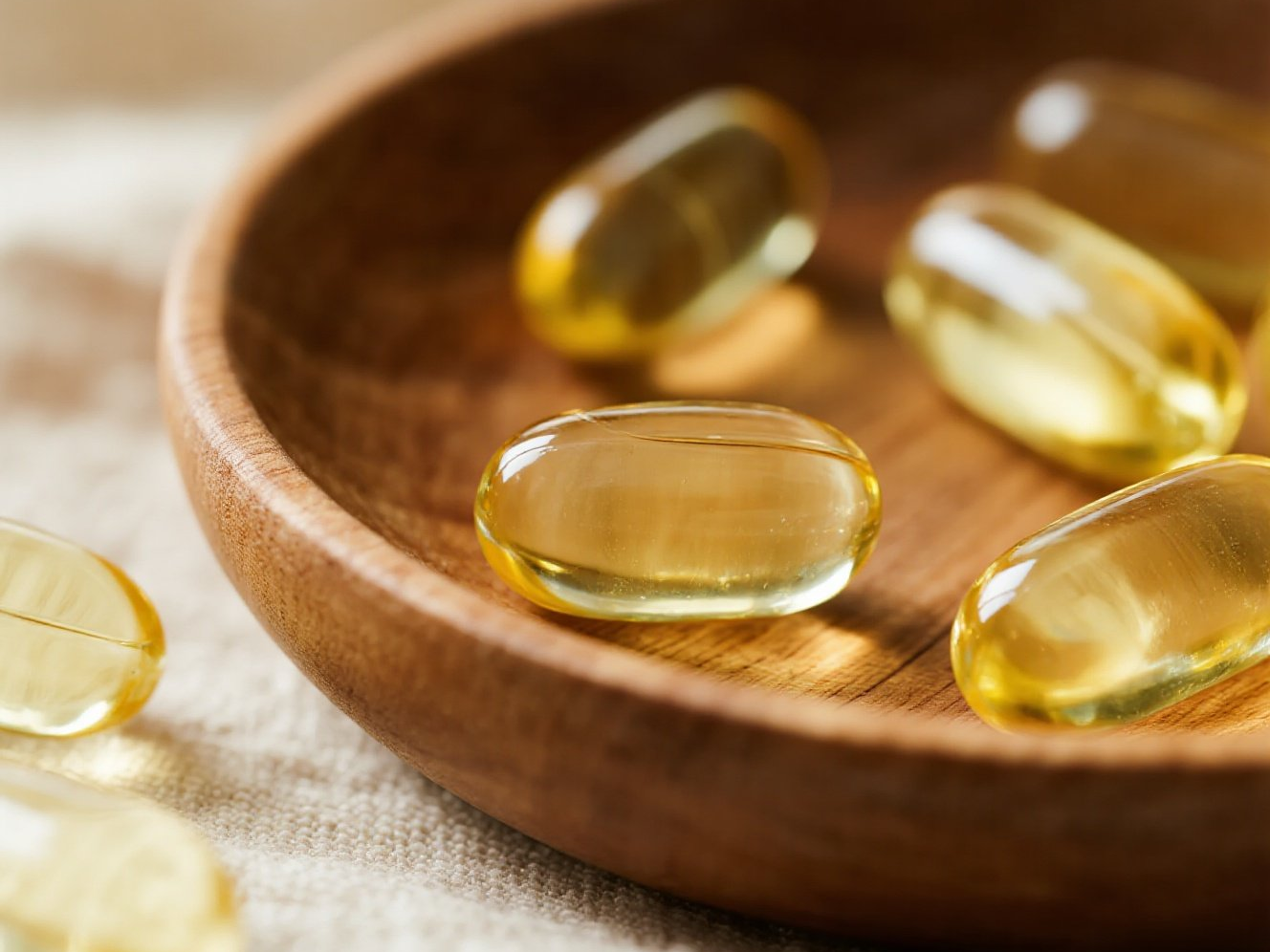
- Expanding use in Nutritional Supplements, with High-Potency D-Alpha Tocopherol Capsules becoming a staple in daily wellness routines—many formulated with L-Arginine or Coenzyme Q10 to target heart health and energy support;
- Technological breakthroughs, such as bio-fermentation production that reduces costs by 15-20% while improving purity, making natural products more accessible for both Nutritional Supplements and Food Additives applications;
- Growing adoption in functional foods, where Natural Vitamin E acts as a natural preservative and nutrient fortifier, often used alongside Vitamin C to extend shelf life and enhance nutritional value.
The market is projected to grow at a CAGR of 4.5% from 2026 to 2030, with natural variants leading this expansion—driven by their superior bioavailability and compatibility with other natural ingredients.
Regional Market Characteristics
The global market exhibits distinct regional traits: North America and Europe dominate high-end consumption, with consumers willing to pay a premium for certified organic and non-GMO Natural Vitamin E products. Brands like Solgar and GNC maintain strong market positions here by emphasizing raw material traceability and formulating products with complementary nutrients such as Vitamin K2 and Coenzyme Q10. The Asia-Pacific region is the fastest-growing market, driven by China’s large production base and rising middle-class demand for Nutritional Supplements—Chinese manufacturers such as Zhejiang Medicine and Yangshengtang (YST) are expanding both domestic sales and global exports of Natural Vitamin E and related blends (e.g., with Amino Acids Powder). Southeast Asia and South Asia are emerging as key growth engines, with policy support boosting local production capacity for both Natural Vitamin E raw materials and finished Nutritional Supplements.
Technology & Competitive Landscape
Innovation is reshaping the Natural Vitamin E sector. Bio-fermentation and synthetic biology technologies are gradually replacing traditional vegetable oil extraction, with industrial trials of high-yield strains already underway—this technology is expected to capture 25% of the market by 2028. Formulation advancements like microencapsulation have also spurred product innovation, leading to versatile options such as Water-Soluble Natural Vitamin E Powder that dissolve easily in beverages, cosmetics, and Nutritional Supplements (ideal for blending with Vitamin C orL-Arginine in liquid formulations). The market is highly concentrated, with the top five global producers controlling over 60% of supply, and competition increasingly focusing on sustainable sourcing, custom formulation capabilities (e.g., tailored blends with Food Additives or Amino Acids Powder), and transparent supply chains.
Future Outlook
Looking ahead, stricter regulatory standards for "natural" claims and growing environmental concerns will drive industry transformation. Manufacturers are investing in green production processes to meet EU and North American environmental regulations, while supply chain localization is accelerating amid global trade uncertainties. For consumers and B2B partners, this means more transparent, high-qualityNatural Vitamin E options—from organic oils to water-soluble powders—tailored to diverse application needs in Nutritional Supplements, cosmetics, and functional foods (as Food Additives). As the market matures, products with clinical efficacy verification and targeted benefits (e.g., blends with Coenzyme Q10 for heart health, Vitamin K2 for bone support, or Amino Acids Powder for muscle recovery) will gain a competitive edge. Additionally, rising demand for plant-based and vegan-friendly formulations will push manufacturers to further optimize natural extraction processes, solidifying Natural Vitamin E’s position as a cornerstone of the global natural health market.
