

Since 2025, the global Spirulina industry, driven by both upgraded health consumption and biotechnological innovation, has shown a development trend of "simultaneous scale expansion and quality improvement." The latest industry report indicates that the global Spirulina market size will exceed 9.5 billion yuan in 2025, with the Chinese market accounting for a core position globally with a size of 3.2 billion yuan, representing a year-on-year growth rate of 12.3%, significantly higher than the global average. In terms of product structure, high-end categories represented by Organic Spirulina are leading the growth, becoming a key competitive area for businesses—especially in the Nutritional Supplements and Food Additives sectors, where natural and high-purity raw materials are prioritized.
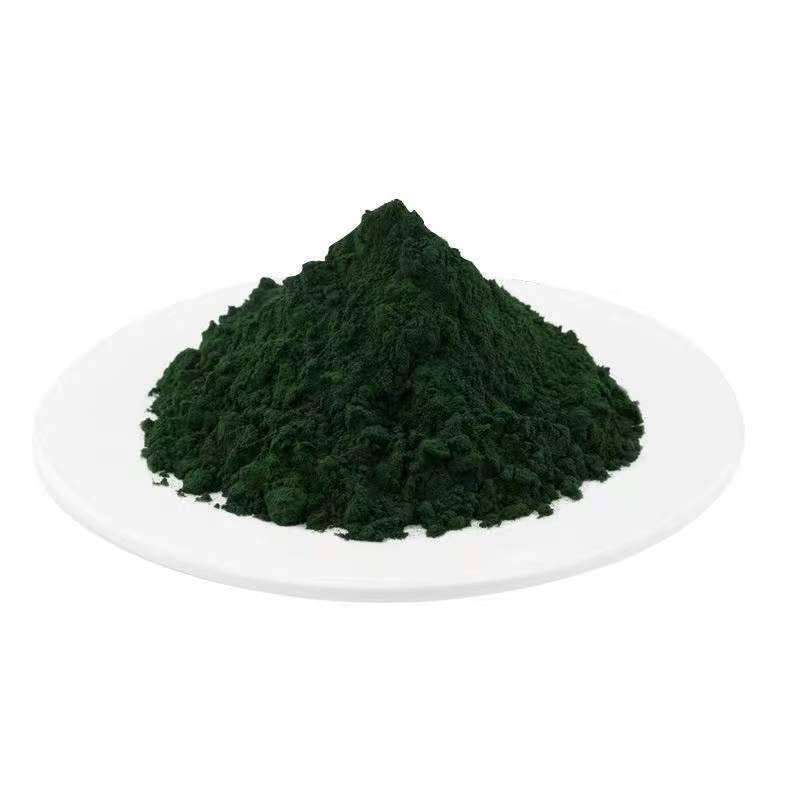
Spirulina, as a "complete nutritional food" rich in high-quality protein (55%-70% content), phycocyanin, and beta-carotene, is seeing its industrial value being deeply explored. Recent groundbreaking achievements by the Marine Carbon Cycle Research Group at Xiamen University have injected new momentum into the industry – their team, through self-assembled metal-organic framework (MOF) technology, increased the carbon fixation efficiency of Spirulina platensis by 93%, and biomass growth by nearly 1.5 times. "This technology not only reduces the production cost of Spirulina Powder but also reduces heavy metal residues, providing a stable raw material guarantee for the production of high-end products such as Nutritional Supplements and premium Food Additives," noted industry analyst Li Yue. Currently, Organic Spirulina products using this technology are priced 40%-60% higher than ordinary products in the EU market, yet still maintain strong demand—especially among manufacturers focusing on clean-label formulations.
The diversification of downstream application scenarios has become a core engine for the growth of the Spirulina industry. In the Nutritional Supplements sector, sales of high-phycocyanin Spirulina tablets focusing on immune regulation increased by 34% year-on-year, with many formulations blended with Astaxanthin to enhance antioxidant synergies; in the cosmetics sector, the application penetration rate of Spirulina extract, rich in antioxidants, in repair-type skincare products has rapidly increased, with the relevant market size reaching 224 million yuan in 2025. Notably, Spirulina extract is often used as a key component in Moisturizing Raw Materials formulations, blended with Pearl Powder, Collagen, and Squalane to amplify skin-repair and nourishing efficacy. Additionally, the dissemination effect of social media platforms such as TikTok is significant, with the #bluespirulina topic seeing a 99.6% increase in views this year, driving a 28% year-on-year increase in Spirulina content in functional beverages—where it serves as a natural Food Additives and nutrient fortifier, often paired with Food Preservatives to extend shelf life.
In terms of industry structure, China has formed two major Spirulina industry clusters in Yunnan and Hainan, where leading companies have reduced raw material loss rates from 22% to 14% through an integrated "cultivation-processing-R&D" model. Companies such as Green A Biotechnology and Chenghai Lake Spirulina have recently increased investment inOrganic Spirulina production lines, while Yunnan Alpha is focusing on the high-end market for Spirulina extract. Their high-purity phycocyanin products are already supplied to well-known cosmetics companies such as Huaxi Bio, supporting the production of skincare products containing Moisturizing Raw Materials and Collagen.
Regarding future trends, Li Yue stated: "With the EU's new regulation EU 2025/67 increasing the requirement forSpirulina protein content to 65%, the industry will undergo accelerated consolidation. Companies with superior strain cultivation capabilities and efficient extraction technologies will gain an advantage in the supply of Spirulina Powder raw materials and the high-value utilization of Spirulina extract—especially for applications in Nutritional Supplements and Food Additives. It is estimated that by 2030, the Chinese Spirulina market will reach a scale of 4.5 billion yuan. Meanwhile, the integration of Spirulina with other natural ingredients like Astaxanthin and Collagen will become a key trend, driving the development of more high-value-added end products."
